
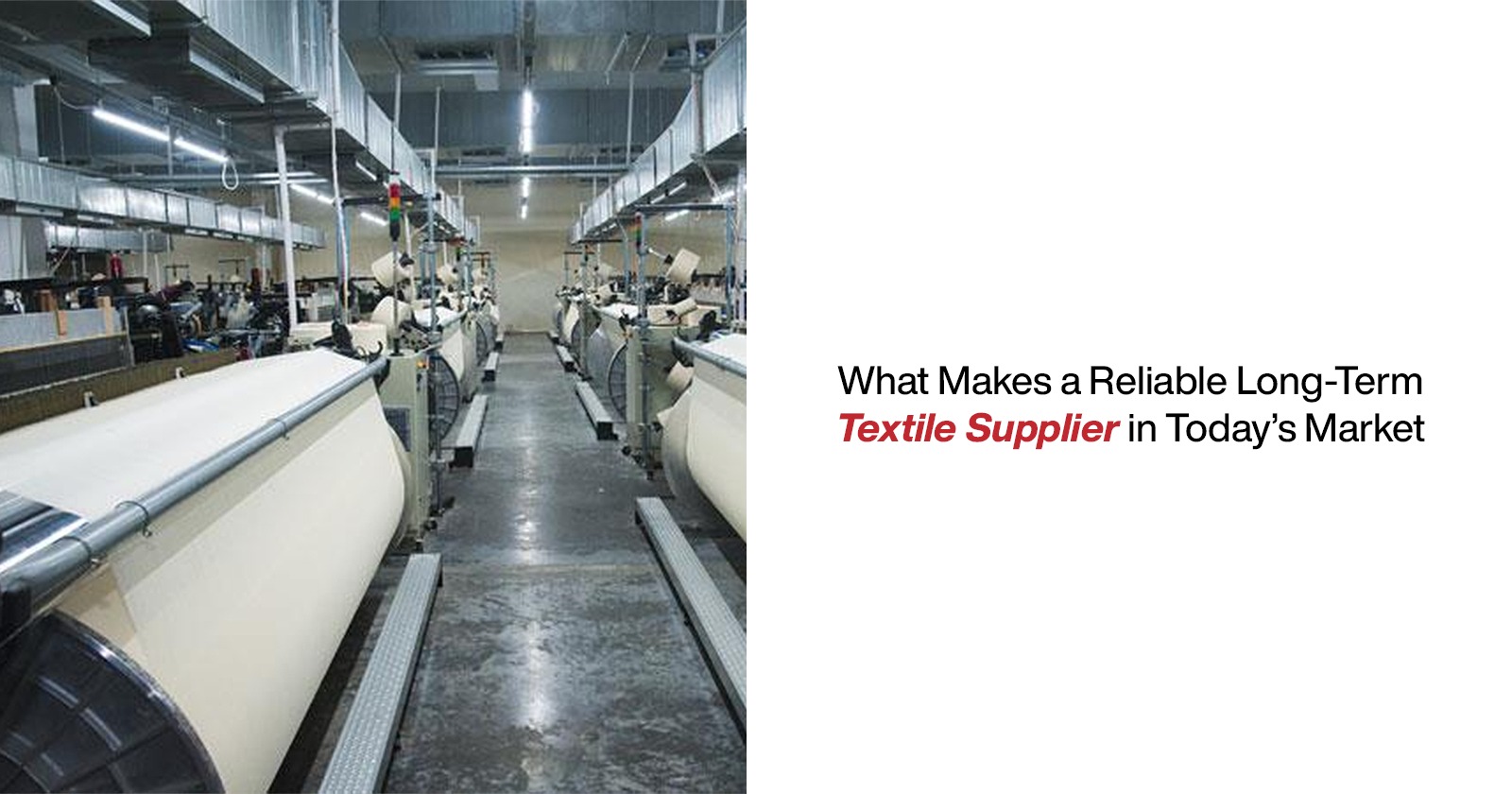
The textile industry is changing quicker than ever in today’s very competitive global market. Changing costs for raw materials, changing tastes of consumers, and rising expectations for sustainability have changed how textile companies do business. Finding a trusted long-term textile supplier is no longer only about getting the best deal for brands, retailers, and clothing manufacturers. It’s also about developing a strategic partnership that ensures consistent quality, efficient manufacturing, and long-term growth.
Any business that makes clothes or fabric needs a reliable textile supplier. The appropriate supplier not only brings you high-quality materials, but they also change with the market, are open and honest, and put money into new ideas. This is what makes a textile provider reliable for the long term in today’s industry.
1. Consistent and Verifiable Quality Standards
When choosing textile providers, quality is still the most important thing to look at. As customers’ expectations rise, brands need to be sure that the materials they use will meet certain performance, durability, and aesthetic standards.
- Reliable vendors have strong quality control methods in place, such as:
- Standardised testing methods (checks for GSM, pilling, colorfastness, and shrinkage)
- Certifications like OEKO-TEX®, ISO standards, GOTS, or BCI
- Traceability from the raw material to the finished cloth, making sure everything is clear
The ultimate test is consistency. A trustworthy provider always sends the same quality, no matter how big the order or how much pressure there is to make it.
2. Strong Production Capacity and Scalability
Long-term collaborations work best when suppliers can change how they do business based on demand. A reliable provider must be able to provide a brand with either 5,000 yards or 500,000 yards of material.
- Enough space for production
- New technology and modern machines
- Expertise of the workforce
- Managing workflows in an efficient way
Scalability also shows how well a provider can help a business grow. Unreliable suppliers typically miss deadlines, hire outside workers without warning, or lower quality during busy times. Reliable suppliers, on the other hand, prevent these problems by having a robust operational infrastructure.
3. Commitment to Ethical and Sustainable Practices
Sustainability is no longer a choice. Customers and foreign purchasers put providers that are socially and environmentally responsible at the top of their lists. The top textile suppliers today put money into:
- Making things in a way that is good for the environment
- Fibres that have been recycled or grown organically
- Systems that use less energy
- Dyeing methods that save water
- Fair labour practices
- Sustainable packaging
Long-term stability is important to businesses, therefore they prefer partners who care about sustainability. This maintains the brand’s reputation and meets worldwide compliance standards.
4. Transparent Communication and Reliability
Communication can make or ruin a collaboration in a market that moves quickly. A good textile provider keeps customers up to date on every step, from getting the raw materials to weaving, dyeing, finishing, and shipping.
Clear communication means:
- Updates on production
- Realistic time frames
- Warnings ahead of time for delays
- Terms and prices that are easy to understand
- Being quick to respond and having specialised account support
- Suppliers who are honest and candid with their customers develop trust and long-term relationships
5. Ability to Innovate and Adapt to Trends
The textile world is always changing. Technologies for fabrics vary, fashion trends change quickly, and customers want items that are more useful and last longer.
Reliable suppliers are always coming up with new ideas through:
- Textile technology that is more advanced
- Research and development (R&D)
- Forecasting trends
- New mixes, coatings, and performance fabrics
Innovation not only keeps brands competitive, but it also keeps suppliers relevant in a market that is always evolving.
6. Supply Chain Stability and Risk Management
A strong supply chain is a key evidence that a textile supplier is reliable. Changes in politics, shipping problems, or a lack of raw materials are all examples of global problems that can have a direct impact on manufacturing.
Top-tier suppliers handle supply chain risks by:
- Many ways to get things
- Good relationships with suppliers of raw materials
- Good logistics partners
- Smart ways to keep track of and predict your stock
They are solid long-term partners since they can keep making deliveries on schedule even when the market is unstable.
7. Competitive Pricing Without Compromising Quality
Price is important, but you shouldn’t give up reliability to save money. A good supplier has prices that are fair and competitive, and they always deliver high-quality goods that meet ethical standards.
A long-term partner helps brands cut expenses in the following ways:
- Production that works well
- Managing bulk orders
- Ways to cut down on waste
- Models for pricing that are clear
These kinds of providers know that long-term trust is more important than short-term profit.
8. Strong Industry Reputation and Proven Track Record
Finally, reputation means a lot. It’s usually safer to work with a supplier that has been in business for a long time, has built contacts with clients, and has global certifications than one that hasn’t been in business for very long.
Signs that a supplier can be trusted are:
- Good reviews from clients
- Long-lasting partnerships
- Following international rules
- Awards or recognition in the field
- A dependable supplier shows that they can do what they say they can do by doing it over time
Why TexNex Inc Is the Ideal Long-Term Textile Supply Partner
Before we finish, I want to mention a company that has all of the above qualities: TexNex Inc.
TexNex Inc is the official representative for North and South America. They focus on expanding markets, getting customers involved, and making the supply chain more efficient. Their crucial position makes sure that clients can easily talk to some of the best cloth makers in Pakistan, which is known around the world for making high-quality textiles.
TexNex Inc is different from other companies because:
- They promise the best levels of quality, innovation, and environmental friendliness.
- They work closely with well-known manufacturers who follow tight rules set by the United Nations.
- They make sure that communication is clear, delivery are on schedule, and logistics are as efficient as possible.
- They have a lot of experience in their field, which helps firms grow in competitive markets.
TexNex Inc offers more than just supplies for companies who want long-term stability. They also offer true collaboration, experience, and reliability.
Conclusion
A good long-term textile supplier is more than just a vendor; they are a strategic partner who helps with quality, sustainability, growth, and new ideas. In today’s fast-changing market, brands need suppliers who can consistently produce high quality, be open about their work, handle risks, and keep up with global trends.
Picking the correct supplier can have a big effect on the success of your business, the reputation of your products, and your ability to compete in the long term. Companies can make sure their collaborations bring value and growth for years to come by concentrating on quality, ethics, flexibility, and good supply chain management.
FAQs
1. What is the most important factor when choosing a textile supplier?
Quality that stays the same is the most important thing. Even if a supplier has good prices, bad quality can hurt the brand’s reputation and cost money in the long run.
2. How can I verify whether a textile supplier is sustainable?
Check for certifications like BCI, OEKO-TEX®, or GOTS. Also, ask about their supply chain’s capacity to be traced, their eco-friendly production practices, and their fair labour policies.
3. Why is communication important in textile sourcing?
Clear communication cuts down on misconceptions, makes sure deliveries are on time, and makes things more open. It helps solve problems early and makes working together stronger in the long run.
Summary
A good long-term textile supplier has constant quality, a lot of production capacity, is environmentally friendly, communicates clearly, comes up with new ideas, and manages the supply chain in a solid way. As markets get more complicated, it’s important for businesses to work with reliable suppliers. TexNex Inc is a trusted link between American markets and the best textile manufacturers in Pakistan. They guarantee quality, dependability, and long-term success.