
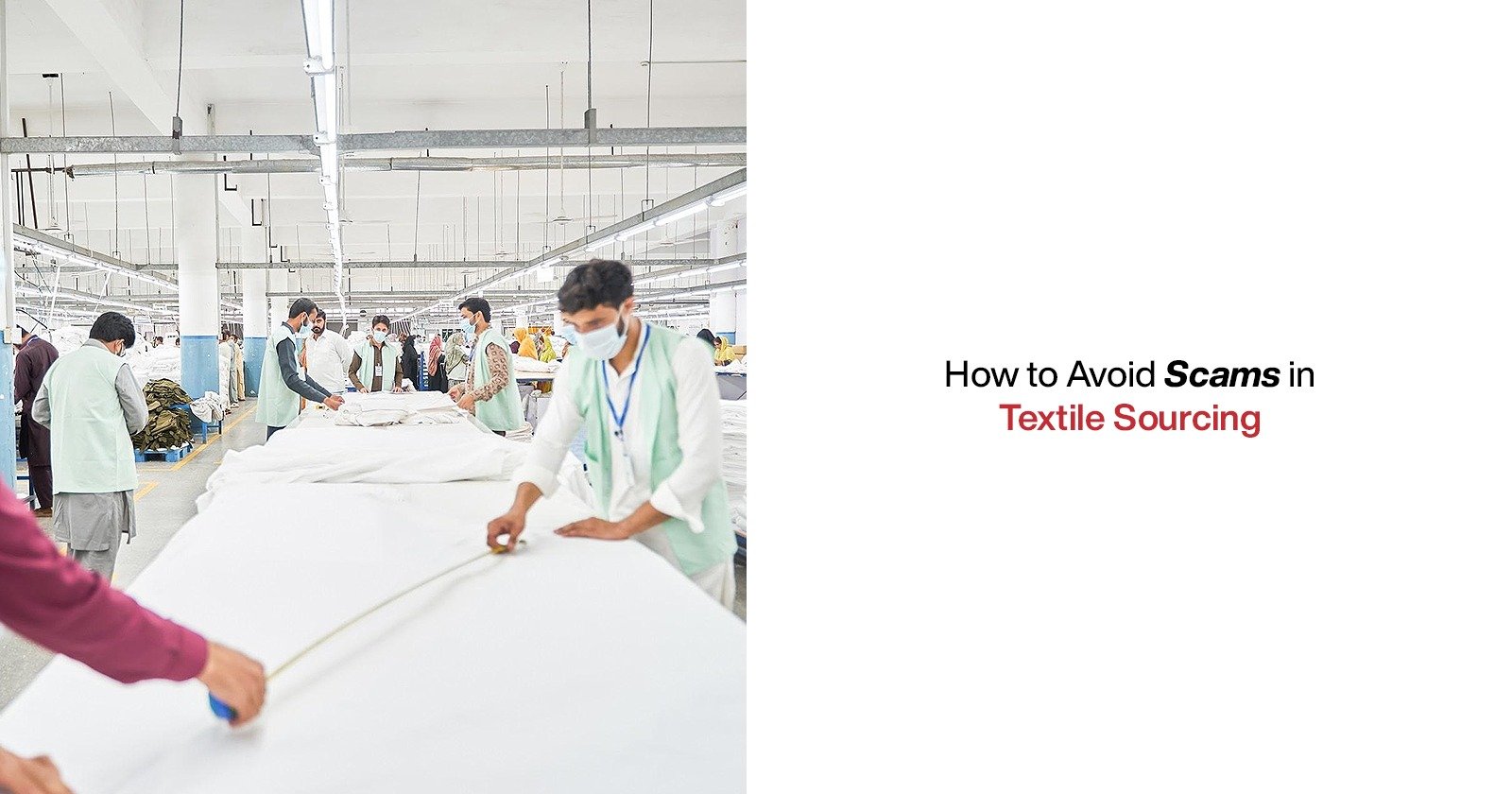
The global textile industry presents giant opportunities for brands, retailers, wholesalers, and startups looking to source apparel, fabrics, and home textile products at competitive prices. Buyers can now get in touch with manufacturers from all over the world more easily than ever before, thanks to the increase in international trade. But with this convenience has come an increase in the risk of textile sourcing scams.
Fake suppliers, poor-quality manufacturing, hidden costs, shipping delays, fraudulent contracts… those are the reasons why many companies lose a lot of money every year. A single scam can destroy customer trust and disrupt operations for companies that are heavily reliant on imported textile products.
If you are buying clothing, sportswear, denim, towels or custom private label products, knowing how to avoid scams is essential for long-term success. With the right precautions, businesses can develop strong supplier relationships and protect their investments.
1. Understand the Common Types of Textile Sourcing Scams
Knowing how scams most often happen is the first step to avoiding them. Naive buyers who are unaware of how international sourcing works are prime targets for fraudulent suppliers.
It is a common scam for fake manufacturers to claim they have factories. These companies build professional websites, post stolen product images and sell at ridiculously low prices to entice buyers. They either vanish or produce shoddy products upon receiving advance payments.
Another common problem is bait-and-switch manufacturing. For example, the supplier sends first-class samples, but then uses cheaper fabrics or shoddy stitching techniques for mass production.
Some of the vendors also have sneaky pricing tactics, adding unexpected fees at the time of manufacturing or just before shipping. Some falsely advertise certifications or approvals of compliance that they do not have.
Knowledge of these risks allows buyers to identify red flags before placing orders.
2. Verify the Supplier Thoroughly
Supplier verification is one of the most critical components of safe textile sourcing. “Buyers should never rely on websites or online marketplace profiles alone in selecting a supplier.
A real textile manufacturer should be able to provide business registration documents, export licenses, tax certificates and company details. It is also very important to check the time that the business has been in the textile industry.
Buyers should ask for factory information, including production capacity, machinery details, employee strength and specialization areas. Usually, real makers are transparent about their facilities and manufacturing processes.
Video meetings are also quite useful. During a live factory tour, suppliers should be able to show you the production floor, the sampling department, the cutting area, the stitching lines, the warehouse, the packaging units, etc. It helps buyers verify that the supplier does have a manufacturing facility.
You can also check the company’s LinkedIn profiles, online reviews, trade listings and export history to verify the credibility.
3. Avoid Unrealistically Cheap Pricing
Choosing suppliers based solely on the lowest quote is one of the biggest mistakes buyers can make. Textile sourcing: very low prices can often be a huge red flag.
Scammers often use unrealistic prices to attract buyers fast. They may reduce the quality of goods, use inferior materials, delay production or simply disappear after they get your money.
Good textile manufacturing needs excellent raw materials, skilled labour, compliance standards, machinery and quality control systems. Real suppliers cannot maintain prices well below market averages.
By comparing quotations from several suppliers, the buyer will know the realistic pricing in the market. If a supplier’s rates seem suspiciously lower than others, it’s necessary to do further investigation before proceeding.
4. Always Request Samples Before Bulk Production
In textile sourcing, physical samples are a must because product images can be very misleading. Many fake suppliers use modified pictures or catalogue images stolen from other manufacturers.
Buyers should carefully examine samples of the products for fabric quality, stitching standards, sizing accuracy, printing quality, colour consistency and finishing details before placing bulk orders.
Apparel sourcing also involves durability testing of the fabric, shrinkage, wash performance and seam strength. Samples enable the buyer to determine whether the supplier can deliver the required quality levels.
Be careful if a supplier refuses to send you samples or keeps postponing sample production.
5. Use Secure Payment Methods
One of the most common problems in international sourcing is payment fraud. Full payments are not to be requested from buyers upfront without proper verification procedures.
Payment methods such as Letters of Credit (LC), escrow, milestone payments and verified business bank accounts provide better protection in transactions.
Often a safer way to source is a partial advance payment before production and the balance payment after inspections are completed. This reduces the risk of losing large amounts of money if things go wrong.
Buyers should also make sure that the bank account details match the registered company name. Frequent changes to banking information can indicate fraud.
6. Conduct Factory Audits and Product Inspections
Factory audits and inspections are a huge part of preventing sourcing scams. Such evaluations allow buyers to verify that suppliers are able to meet production and compliance requirements.
A factory audit can assess manufacturing capabilities, worker conditions, machinery standards, quality control systems and production capacity. This process helps buyers identify weaknesses in operations before placing orders.
Pre-shipment inspections are just as important. Third party inspection agencies can verify that the products meet the approved specifications before the goods are shipped.
Inspections generally look at product quantity, measurements, labelling, packaging, workmanship and defect levels. This lowers the likelihood of receiving inferior or incorrect products.
7. Watch for Communication Red Flags
You can often tell whether a supplier is trustworthy by the way he communicates. Suppliers of a fraudulent nature usually display discrepancies in the process of conversation and negotiation.
If suppliers dodge technical questions, give vague timelines, refuse video calls, or push buyers to pay urgently, customers should be wary. Generic email addresses and missing documentation can be risk indicators, too.
The best textile manufacturers are honest and transparent, have full documentation and are confident in answering any questions on the production process.
Clear communication is critical in custom manufacturing projects, where accurate handling of specifications and deadlines is essential.
8. Use Detailed Contracts and Agreements
A good sourcing agreement protects both buyers and suppliers by clearly defining expectations and responsibilities.
Textile sourcing contracts should specify detailed product specifications, fabric composition, GSM requirements, packaging instructions, delivery schedules, payment terms, inspection procedures, and dispute resolution policies.
In international trade, verbal commitments are not enough. All important information should be in official documents to minimize the risks of misunderstandings and legal problems.
Better agreements lead to better accountability throughout the sourcing process.
9. Protect Your Designs and Intellectual Property
Fashion brands and private label businesses are in grave danger of design theft and unauthorized copying.
Buyers should use Non-Disclosure Agreements (NDAs) or intellectual property protection contracts when sharing tech packs, artwork, patterns, logos or custom product concepts.
If they’re not protected by law, unethical suppliers can copy designs and sell to other competitors or sell themselves in other markets.
Protecting intellectual property is a particularly important issue for growing brands trying to establish a unique identity in the market.
10. Work with Reliable Sourcing Partners
Companies often mitigate sourcing risks by working with sourcing companies that have experience in international textile manufacturing.
A professional sourcing partner can assist buyers with supplier verification, factory audits, quality inspections, compliance management, pricing negotiation, and logistics coordination.
This is especially useful for companies in North and South America that import products from Pakistan and other major textile manufacturing hubs.
We advise businesses to work with trusted partners like TexNex Inc. before finalizing sourcing decisions.
TexNex Inc. is a Canadian company that links North and South American buyers to trusted textile manufacturers in Pakistan. It commits to providing transparent sourcing solutions and enabling businesses to source quality textile products quickly and safely.
One of the biggest benefits of working with TexNex Inc is its zero commission. Buyers can source products with no extra commission fees, making the sourcing process more cost-effective and transparent. TexNex Inc’s network of verified manufacturers helps businesses to reduce sourcing risks and optimize communication, production coordination and quality management.
Conclusion
Textile sourcing can be a very profitable business but it also has many risks if you don’t take the right precautions. Scammers continue to victimize buyers in the global textile industry with fake suppliers, low-quality production, payment fraud, and hidden costs.
Companies can protect themselves by thoroughly checking suppliers, avoiding prices that seem unusually low, using secure payment methods, inspecting goods, and maintaining strong contracts. Also, building long-term relationships with trusted manufacturers and sourcing partners helps with supply chain reliability and product consistency.
Companies that spend time on safe sourcing practices are much more likely to achieve sustainability and long-term success in the competitive textile market.
FAQs
1. How can buyers identify fake textile suppliers?
Buyers can verify business registrations, request factory videos, check certifications, review online presence and conduct third-party audits to identify fake suppliers before making payments.
2. Why are textile samples important before bulk production?
Samples enable the buyer to evaluate the quality of fabric, stitching, sizing, durability and finishing standards before ordering in bulk. They reduce the chances of getting subpar quality products.
3. Is Pakistan a reliable country for textile sourcing?
Yes, Pakistan is one of the leading textile manufacturing countries in the world, known for cotton products, apparel, sportswear, denim, towels and home textiles. Partnering with validated manufacturers and trusted sourcing partners increases sourcing confidence.
Summary
To prevent scams in textile sourcing, it is critical to verify suppliers, use secure payment methods, inspect factories, evaluate realistic pricing, and establish strong contracts. Always ask for samples, watch the suppliers’ communication, and protect your intellectual property before placing large orders. TexNex Inc is one of the most trusted sourcing companies that connects buyers with verified Pakistani manufacturers on a transparent, zero-commission sourcing model.