
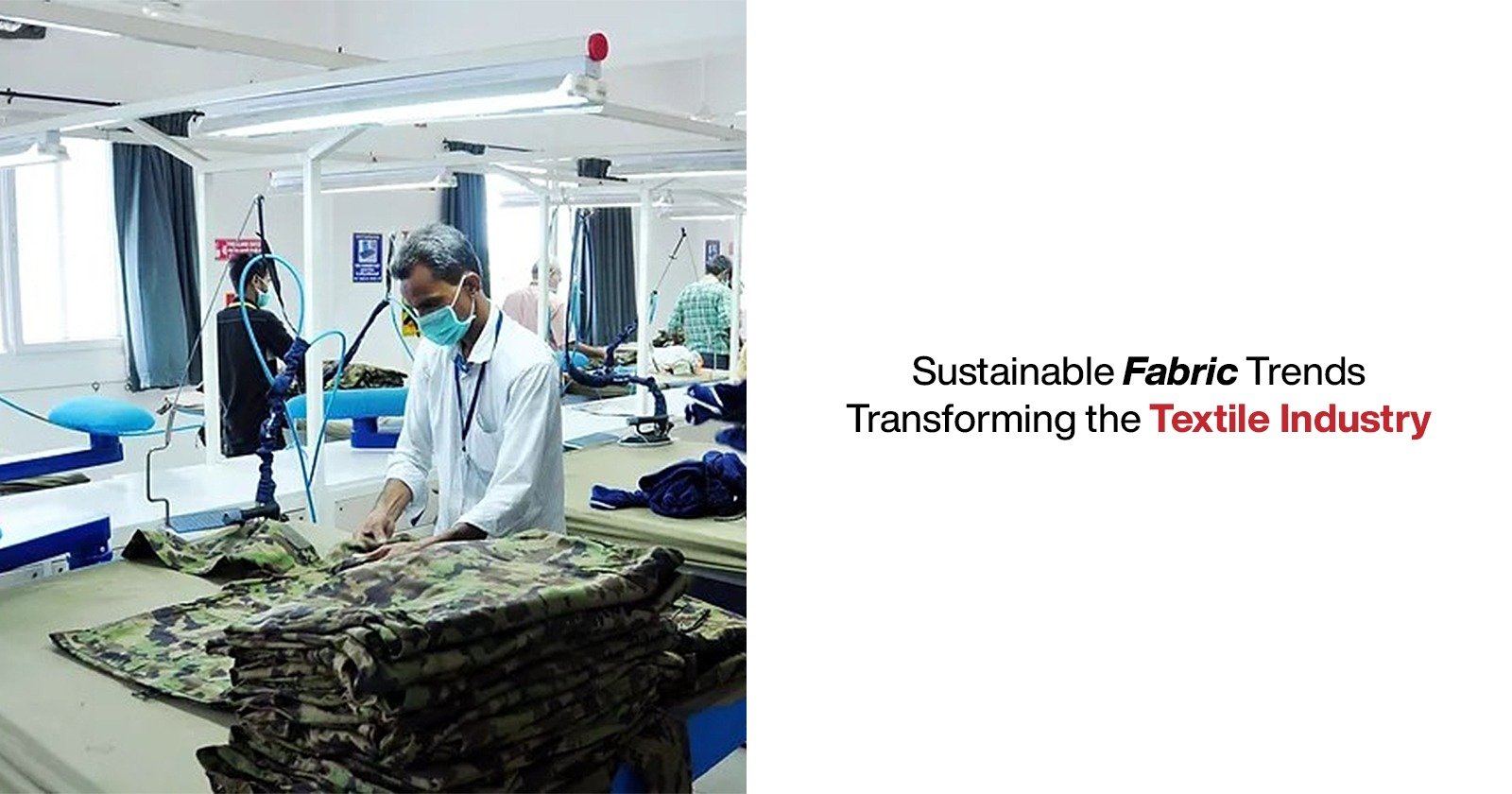
One of the biggest changes in the global textile business in decades is happening right now. As worries about the environment, consumer awareness, and government rules all come together, sustainability has gone from being a fringe idea to a major force behind new ideas in textiles and production. The developments in sustainable fabrics today are changing what responsible fashion and textile manufacturing may and should look like. These developments are changing supply chains and having demonstrable effects on the environment and society, from bio-based fibres to closed-loop manufacturing systems.
1. The Rise of Bio-based and Plant-derived Fibers
The move toward textiles made from plants, algae, and other living things is one of the most obvious trends in sustainable textiles. Bio-based fibres have a smaller carbon impact and break down more easily than traditional petroleum-based synthetics.
- Lyocell/Tencel®: Tencel® is made from wood pulp that is sustainably obtained and goes through a closed-loop process that recovers and reuses solvents. It is soft, breathable, and entirely biodegradable.
- Pineapple and Banana Fibres: New applications for agricultural waste, such pineapple leaves (Piñatex) and banana stems, are making long-lasting, eco-friendly substitutes for leather and cotton.
- Textiles Made from Algae: New technologies are turning algae biomass into soft fibres. This is a means to make algal blooms less of a nuisance while also making textiles with special qualities.
These bio-based choices are good for the environment and work just as well or better than regular fabrics.
2. Recycled Fibers and Post-Consumer Waste Usage
Recycling is becoming a key part of making textiles last longer. More and more brands and manufacturers are using recycled materials to cut down on their use of new resources.
- Recycled Polyester (rPET): rPET makes polyester fibres from plastic bottles and other plastics that have already been used. This uses a lot less energy and releases a lot less greenhouse gases than virgin polyester.
- Recycled Cotton and Wool: Old clothes, scraps from factories, and textile waste may be turned into new yarns by mechanical or chemical processes. This cuts down on the amount of garbage that ends up in landfills and protects natural resources.
This movement also supports the ideas of a circular economy by making materials last longer and keeping trash out of disposal systems.
3. Enhanced Durability and Performance
Not only are eco-friendly textiles made to endure, but they are also eco-friendly. Durability means that things don’t need to be replaced as often, which means less waste and consumption.
Manufacturers are making materials that are stronger, more resistant to wear and tear, and better at keeping their form. Sustainable materials are now as good as conventional performance textiles used in outdoor gear, sports wear, and workplace thanks to new weaving methods and performance finishes that are safe for the environment and break down naturally.
4. Water-Saving Fabric Technologies
Water shortage is still a big problem for textile manufacturing, especially when it comes to dyeing and finishing. Trends in new, eco-friendly fabrics seek to cut down on water usage by a lot through:
- Air-Dye Technology: This method uses air instead of water to add colour to cloth. It cuts water usage by more than 95% and lowers chemical runoff.
- Digital Printing: Digital printing uses less energy and waste than traditional bulk dyeing because it applies dyes more precisely.
- Indigo Dyes That Don’t Need Water: New synthetic indigo makes it possible to colour denim without the huge amounts of water that are usually needed for indigo dye baths.
These new ideas enable companies keep their rich, high-quality finishes while reducing their impact on the environment.
5. Biodegradable and Compostable Textiles
Biodegradability has been a top issue as sustainability goes up the design chain. Textile advancements currently concentrate on materials that can be returned to the planet when they are no longer usable.
- Natural Fiber Blends: Blending natural fibres like cotton, wool, and silk in ways that are still biodegradable improves compostability.
- Bio-coatings and Finishes: New bio-coatings and finishes provide surfaces performance features like water resistance and stain resistance without adding chemicals that don’t break down.
These biodegradable fabrics help the environment in the long run by making things more circular.
6. Transparent Supply Chains and Traceability
Transparency is becoming just as important as sustainable fabrics. Companies and brands are spending money on traceability systems to make sure that materials are obtained responsibly and that people throughout the supply chain are treated fairly.
- Blockchain and Digital Certifiers: Brands may check the truth of sustainability promises by looking at unchangeable records of where materials came from, how they were processed, and how they were shipped.
- Third-Party Certifications: Standards like GOTS (Global Organic Textile Standard) and OEKO-TEX® make sure that materials fulfill high social and environmental standards.
More and more customers want this kind of openness, and forward-thinking textile firms are meeting that need with supply chains that can be tracked and verified.
7. In-House Manufacturing and Nearshoring for Sustainability
Another new trend is changing global supply chains to make them more eco-friendly and better at quality management. Bringing production closer to the end markets, or “nearshoring,” lowers transportation emissions and improves supervision.
This change is good for people on all continents. TexNex Inc., which is based in Canada, links customers in North and South America with top producers in Pakistan, for instance. TexNex uses its global network to make sourcing sustainable textiles easier, making sure that customers get high-quality products, shorter lead times, and ethical business methods. TexNex Inc. offers a supply chain model that promotes environmental concerns without sacrificing performance or cost-effectiveness by connecting demand from both hemispheres with manufacturing knowledge.
Conclusion
The textile industry is at a turning point. Sustainable fabric trends aren’t just passing fads; they show how materials are made, handled, and thought about in new ways. These new ideas, such bio-based fibres, recycled material, water-saving technology, and better traceability, help solve the social and environmental problems that have long plagued textiles.
As sustainability becomes a competitive edge, brands, manufacturers, and supply chain partners need to work together. TexNex Inc is a good example of this future of cooperation. They make it easy and clear for textile producers in Pakistan to sell their goods to people in North and South America. Their methodology not only encourages responsible manufacturing, but it also speeds up the use of sustainable textiles in marketplaces all over the world.
FAQ: Sustainable Fabric Trends
1. What makes a fabric “sustainable”?
A sustainable fabric is one that has as little of an effect on the environment as possible and promotes fair social behaviours. It usually means using raw materials that can be reused or recycled, using resources like water and electricity wisely, using fewer chemicals, and managing the supply chain in a responsible way.
2. Are sustainable fabrics more expensive than traditional textiles?
Some sustainable textiles may cost more at first since they are made using sophisticated processing processes and approved supplier chains. Costs are going down, however, as demand grows and new technologies make things more efficient. Long-term savings also come from durability and lower environmental expenses.
3. How can brands verify that a fabric is truly sustainable?
Brands can trust third-party certifications like GOTS and OEKO-TEX®, supply chain traceability systems, and data that has been checked for environmental and social performance. Blockchain monitoring and transparency platforms are becoming common ways to check things.
Summary
Bio-based fibres, recycled materials, water-saving technology, and biodegradable choices are all examples of sustainable fabric developments that are changing the textile business. Another important goal is to make things last longer and make the supply chain more open. Nearshoring and collaborative sourcing models, like the ones TexNex Inc helps Canadian customers and Pakistani manufacturers work together on, show how sustainability and efficiency can go hand in hand. These new ideas all lead to a better, more responsible future for textiles.