
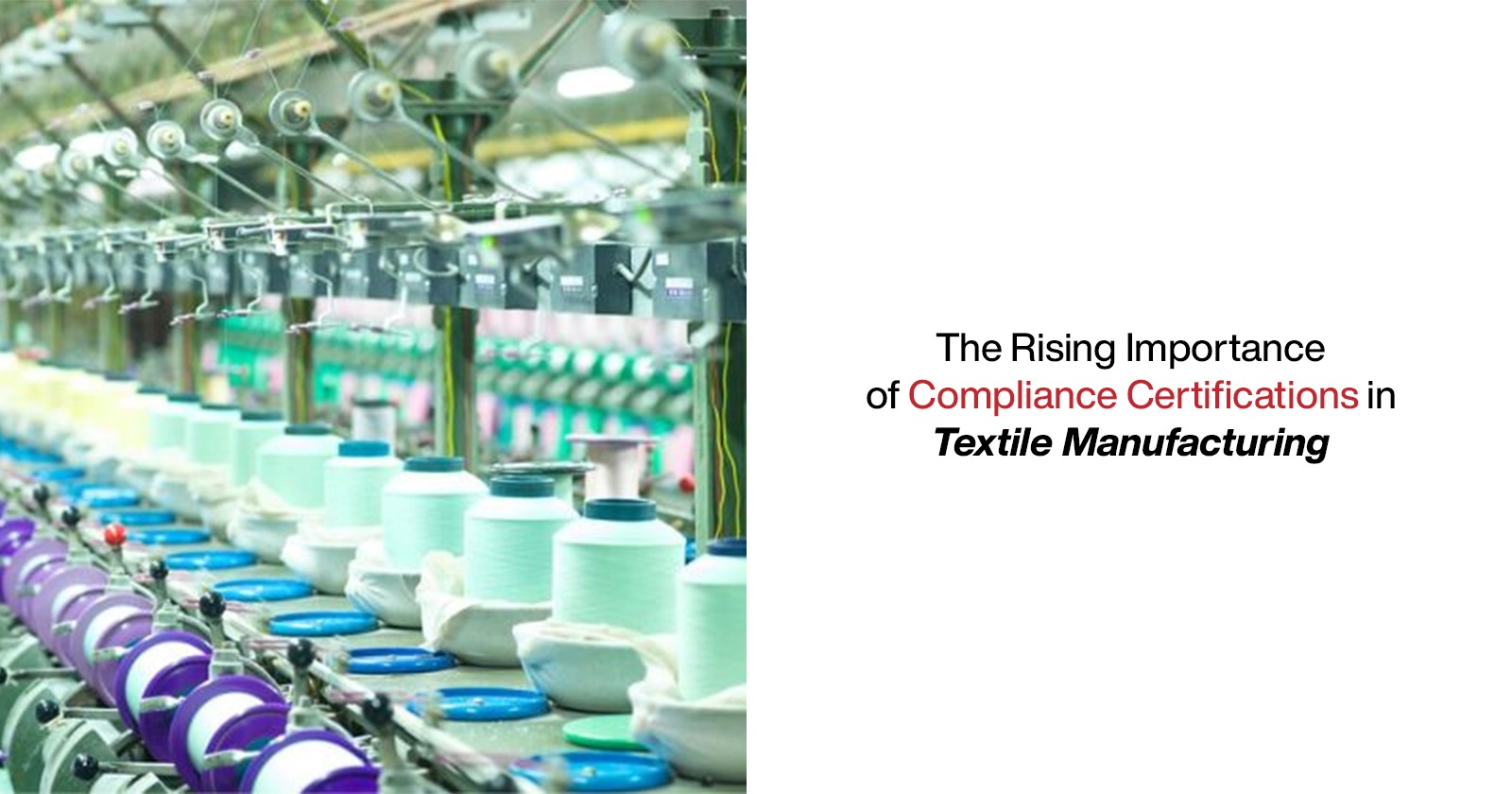
There is a big change going on in the worldwide textile business. Compliance certificates are no longer just an option; they are now a must-have because of increased consumer expectations, growing environmental concerns, and strict international rules. Textile makers must show that their methods are safe, moral, and good for the environment these days. This change is not only changing how businesses work, but it’s also changing how companies gain trust and enter international markets.
Compliance certificates are a way to check that textile production satisfies certain standards for quality, environmental effect, worker safety, and chemical safety. These certifications are becoming necessary for manufacturers who want to compete on a worldwide basis to stay in business and grow.
Why Compliance Certifications Matter More Than Ever
1. Rising Consumer Awareness
People today expect things to be clear. They like brands that put ethical sourcing, eco-friendly materials, and fair labour methods first. Customers may be sure that their clothes were made in a responsible way if they have certifications like OEKO-TEX®, GOTS, WRAP, and ISO. Because of this change in mentality, manufacturers all around the world have had to look at their supply chains again and make sure they follow established requirements.
2. International Market Access
Now, global buyers, notably those in the US, Europe, and Canada, need compliance certifications before they can work together. Retailers and wholesalers want to lower the risk of getting sued and make sure their products are safe. Textile manufacturers sometimes have a hard time getting into high-value export markets without proof of compliance. Certifications are like a passport that lets you work with high-end clients and get long-term contracts.
3. Environmental Protection and Sustainability
People have been criticising the textile business for a long time because it pollutes the environment, uses a lot of water, and releases chemicals. Certifications like GOTS, OEKO-TEX®, and ISO 14001 push companies to use environmentally sustainable ways to make things. These are things like using fewer chemicals, systems for treating waste, fibres that are good for the environment, and technologies that use less energy. By getting these efforts certified, manufacturers not only reduce their impact on the environment, but they also show that they are leaders in sustainable production.
4. Ensuring Worker Safety and Ethical Labor
Labour compliance is now a major issue in industries around the world. Certifications like WRAP, BSCI, and SA8000 make sure that workers have a safe, fair, and moral place to work. This includes rules about working hours, pay, safety, and the right to join a union. Following ethical labour standards lowers the chance of getting in trouble and builds confidence between manufacturers and global brands.
5. Enhancing Product Quality and Consistency
ISO 9001 and other quality management certifications make ensuring that textile manufacturers keep the same production standards. Manufacturers can cut down on defects, waste, and production time by following quality assurance procedures. In the end, this makes customers happier and makes the firm more stable.
Key Compliance Certifications in the Textile Industry
1. OEKO-TEX® Standard 100
Makes ensuring that textiles are safe for people to use and don’t have any dangerous substances in them. It is one of the most well-known ways to get certified around the world.
2. Global Organic Textile Standard (GOTS)
It applies to organic fibres and makes sure that all ecological and social standards are met along the whole production chain.
3. ISO Certifications (9001, 14001, 45001)
Talk about managing quality, the environment, and health and safety at work.
4. WRAP (Worldwide Responsible Accredited Production)
Concentrates on fair and moral work methods.
5. BSCI (Business Social Compliance Initiative)
Supports equitable working conditions in supply chains around the world.
6. Fair Trade Certification
Makes sure that goods are sourced ethically, workers are paid fairly, and communities grow.
These certifications are very important for manufacturers because they help them build trust with customers, increase their brand’s reputation, and make their businesses more sustainable in the long run.
How Compliance Certifications Drive Supply Chain Transformation
Manufacturers must use more organised, organised, and traceable procedures in order to get compliance certificates. This has made the supply chain much more open and efficient.
- Better Tracking of Raw Materials: Certifications require accurate paperwork and the capacity to trace a fibre from its source to the final product.
- Better Chemical Management: Manufacturers must keep track of their chemicals in a controlled way and use them safely.
- Better Vendor Evaluation: Brands now judge suppliers based on recognised compliance criteria.
- Digital Monitoring & Reporting: A lot of certifications need regular audits, performance logs, and tracking of digital compliance.
These adjustments not only improve the quality of manufacturing, but they also have long-term benefits for the business, such as less waste, lower costs, and better competitiveness in the global market.
TexNex Inc – Your Strategic Partner in Compliant Textile Manufacturing
It’s crucial to point out how industry partners may help textile manufacturers reach and keep compliance excellence before we get to the end.
TexNex Inc is in the front of this change. TexNex is the official agent for North and South America. They help businesses grow, get more customers, and make their supply chains work better. The organisation works with the best fabric makers in Pakistan to assist them reach the highest standards of quality, creativity, and environmental friendliness.
TexNex Inc fills the gap between global purchasers who want certified, open, and compliant production and producers that need to fulfil international standards. TexNex helps textile companies meet global standards and enter high-value markets with confidence by giving them strategic support, making communication easier, and giving them advice on how to audit their work.
Conclusion
The growing importance of compliance certifications in textile manufacturing shows that the world is moving towards responsible, sustainable, and ethical production. These certifications are no longer optional. Any producer who wants to do business around the world, create trust with customers, and stand out in a crowded market needs them.
Compliance certifications are useful at every step of the textile supply chain, from making the environment better to making sure quality control and workers’ rights are protected. As global standards are getting higher, manufacturers need to spend money on certifications that will help them expand in the long run, improve their brand reputation, and provide them access to new prospects.
Frequently Asked Questions (FAQs)
1. Why are compliance certifications important for export markets?
To make sure that products are safe, that workers are treated fairly, and that the environment is protected, major international buyers need compliance certifications. Manufacturers with certifications are more likely to get contracts and penetrate high-end markets.
2. Do all textile manufacturers need certifications?
Certifications are not required by law everywhere, but they are important for earning trust, following international rules, and keeping competitive, especially for manufacturers that export.
3. Which certification is best for sustainable textile production?
GOTS and OEKO-TEX® are the most well-known organisations in the world for making sure that textiles are safe for the environment, made ethically, and free of chemicals.
Summary
Compliance certificates are changing the textile business by making sure that workers are treated fairly, the environment is protected, and the quality of the products stays the same. As global markets require verified production, companies like TexNex Inc are very important for helping textile makers fulfil international standards and grow their businesses around the world.