
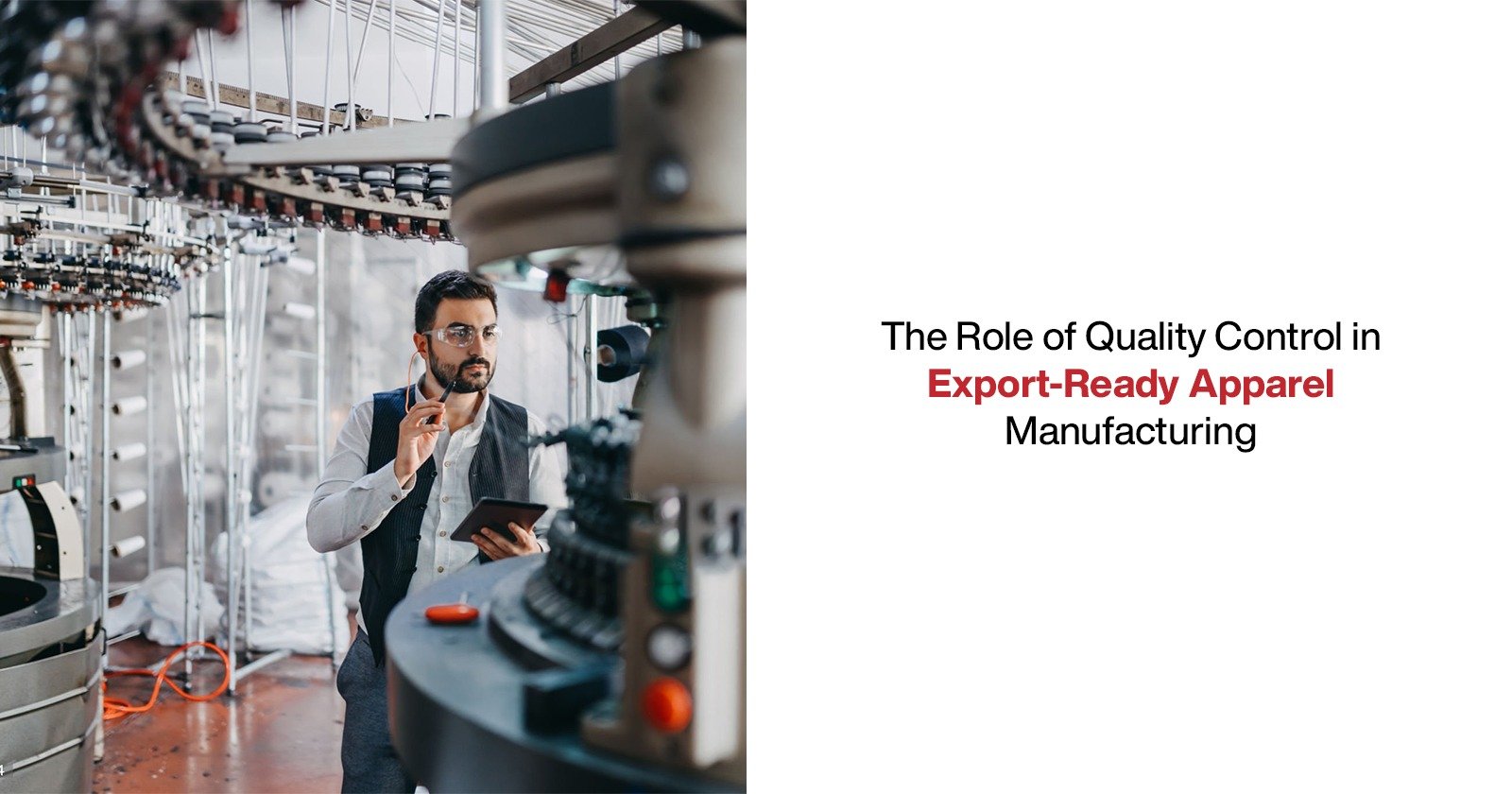
Quality control is no longer only a supporting role in the global clothing trade; it is now a major strategic component. Export-ready clothing manufacturing is closely watched, and customers want uniformity, compliance, and dependability over huge production runs. If the quality isn’t up to par, shipments might be turned down, suppliers can be fined, or their reputation can be hurt for a long time. As clothing companies look for suppliers all around the world to be competitive, manufacturers that want to do well in international marketplaces need strong quality control systems.
Understanding Quality Control in Apparel Manufacturing
Quality control (QC) in apparel manufacturing refers to the systematic processes used to ensure that garments meet predefined standards before reaching buyers. These criteria might have to do with how well the fabric works, how accurate the stitching is, how consistent the sizes are, how quickly the colours fade, how the labels and packaging are, and how well they follow international rules. Export manufacturing is different from domestic manufacturing since it has to follow buyer-specific requirements and import rules that are relevant to each nation.
Quality control isn’t only one check at the conclusion of production. Instead, it takes into account the whole production process, from getting raw materials to getting the final cargo approved.
Why Quality Control Is Critical for Export Markets
Export markets don’t give you a break. International purchasers have stringent deadlines, grading systems that are the same for everyone, and no defects. A little quality problem that could be okay in local markets might be a big compliance failure throughout the world.
Quality control makes sure:
- Consistency in large orders
- Fewer returns and rejections
- Meeting the requirements set by buyers and the law
- Keeping the brand’s good name safe
- Trust from buyers over time and repeat business
Quality assurance is typically what makes manufacturers in competitive sourcing areas like South Asia long-term partners or just one-time suppliers.
Key Stages of Quality Control in Export Apparel Production
1. Raw Material Inspection
The first step in quality control is finding the right fabric and trim. Problems with the fabric, GSM, shrinkage, or colour might ruin the whole manufacturing run. Manufacturers who specialize on exports carefully check the materials that come in, including lab tests for strength, colorfastness, and chemical compliance (such dyes that don’t include AZO).
2. Pre-Production Quality Checks
Buyers make and approve samples before mass manufacturing starts. Pre-production meetings make sure that everyone agrees on the requirements, building procedures, measurements, and finishing standards. At this point, any confusion should be cleared up to avoid expensive mistakes later.
3. In-Line Quality Control
During active manufacturing, there are in-line inspections. At several points, quality inspectors assess the quality of the stitching, the strength of the seams, the dimensions, and the job itself. This proactive strategy lets you fix problems right away instead of finding them after the job is done.
4. Final Inspection and AQL Standards
AQL (Acceptable Quality Limit) standards are usually used for final inspections. We randomly choose clothes to check their general quality, how well they are packaged, how well they are labelled, and how well the cartons are marked. Only shipments that meet AQL standards are allowed to be sent to other countries.
5. Compliance and Documentation Verification
Clothing that is ready to be sent must meet international standards like ISO, OEKO-TEX®, WRAP, BSCI, or codes of conduct set by the buyer. Quality control teams make sure that all paperwork, such test reports, inspection records, and compliance certifications, is correct and comprehensive.
The Role of Quality Control in Buyer Confidence
International customers want for providers that can always provide good quality, no matter the season or style. Strong quality control systems show that a business is professional, reliable, and ready to do business. Manufacturers that can show that they have good quality control methods are more likely to get high-end customers and long-term contracts.
Quality control also cuts down on hidden expenses. Quality problems might lead to rework, delays, and air shipments that can greatly cut into profits. Preventive QC keeps both your reputation and your profits safe.
Technology & Quality Control in Modern Apparel Manufacturing
More and more quality management systems are using digital tools and automation. Real-time production monitoring, digital inspection reports, and data analytics help find problems that keep coming up and make processes better. This openness is particularly useful for firms that export goods since many purchasers need to be able to see current updates on manufacturing and follow the goods.
Challenges in Maintaining Export-Level Quality
Quality control is important, but it may be hard to do. Training workers, not being able to talk to consumers and manufacturers, and the need to save costs may all make QC efforts less effective. Successful exporters put money into competent quality teams, ongoing training, and a culture that values quality above speed.
Connecting Buyers & Manufacturers Through Quality-Driven Sourcing
In the complicated world of global clothing procurement, connecting international consumers with trustworthy manufacturers takes more than just manufacturing capacity. It also needs quality assurance at every step. TexNex Inc is very important here.
TexNex Inc connects buyers in North and South America. The company is based in Canada and has factories in Pakistan.
TexNex Inc is a strategic sourcing partner that connects customers in North and South America with manufacturers in Pakistan who are ready to export and follow tight quality control rules. TexNex Inc helps make sure that quality standards are always fulfilled by focusing on compliance, openness, and manufacturing excellence. This leads to easier trade interactions and long-term success for both buyers and producers.
Conclusion
Quality control is the most important part of making clothes that are ready to be sold abroad. It makes sure that rules are followed, establishes confidence with buyers, and keeps things running smoothly in a global market that is becoming more and more competitive. Manufacturers that make sure quality is built into every step of manufacturing are more likely to grow, get repeat orders, and become known as trustworthy worldwide suppliers. Quality control will always be important for the success of clothing exports, even as international commerce changes.
Frequently Asked Questions (FAQs)
1. What is the difference between domestic and export apparel quality control?
Quality control for exports is stricter and more uniform. It includes requirements that are particular to the customer, worldwide compliance standards, and formal inspection methods like AQL, which are not always required in local markets.
2. How does quality control impact export profitability?
Good quality control cuts down on the need to redo work, delays in shipping, and the chance of rejection. Quality control costs money up front, but it saves money in the long run by making sure customers are happy.
3. Can small apparel manufacturers meet export-level quality standards?
Yes, small firms may fulfill export criteria if they have established procedures, the right training, and outside inspections. A lot of customers throughout the world deal with small to medium-sized firms that have good quality control systems.
Summary
Quality control is important in making clothes that are ready to be exported since it makes sure that the clothes are compliant, consistent, and that buyers can trust them. Strong quality control systems lower risks and boost profits from checking raw materials to the final AQL inspections. TexNex Inc helps with dependable, compliant, and sustainable global garment procurement by linking international customers with high-quality manufacturers in Pakistan.